Ancient Bronze Age 'City of Seven Ravines' Discovered in Kazakhstan Steppes
Archaeologists have uncovered a massive 140-hectare settlement in Kazakhstan dating back to the Bronze Age, featuring advanced metallurgy and urban planning.
 🎓Education
Photo: UNIAN
Key points
- Semiyarka settlement covers 140 hectares in northeastern Kazakhstan
- The site dates to the 2nd millennium BC and features advanced bronze metallurgy
- The discovery fundamentally alters views on Bronze Age steppe societies
Modern archaeology continues to challenge long-held assumptions that complex urban development originated exclusively in the Middle East and Mesopotamia. An international team of researchers has announced the discovery of a massive proto-city in the steppes of Kazakhstan that is reshaping our understanding of Bronze Age Eurasian societies.
Scale and Infrastructure of Semiyarka
The settlement, named Semiyarka or the "City of Seven Ravines," spans 140 hectares—equivalent to nearly 200 football fields—along the Irtysh River in northeastern Kazakhstan. Researchers from University College London (UCL), Durham University, and Toraighyrov University published their findings in the journal Antiquity.
According to the scientists, the settlement's structured layout defies expectations of nomadic life. Archaeologists identified remnants of earthen fortifications, clearly designated household zones, and a monumental central building likely used for rituals or administrative leadership. Situated strategically on a promontory, the site commanded views and control over movement along the Irtysh valley, serving as an early hub for trade and decision-making.
A Major Bronze Age Metallurgical Hub
Beyond its administrative and defensive significance, Semiyarka functioned as an industrial powerhouse. Excavations and geophysical surveys revealed crucibles, slag, and tin-bronze artifacts in quantities unprecedented for the region.
"This is the first unequivocal evidence that steppe metallurgists managed complex production systems rather than just small-scale workshops," the researchers emphasized.
Its proximity to the rich copper and tin deposits of the Altai Mountains likely positioned Semiyarka as a critical node in the extensive Bronze Age metal networks connecting Central Asia to the rest of the continent.
Source UNIAN — unian.ua/science/starodavnye-protomisto-v-kazahstani-vono-rozmirom-… ↗
Read next
 🛡️Security
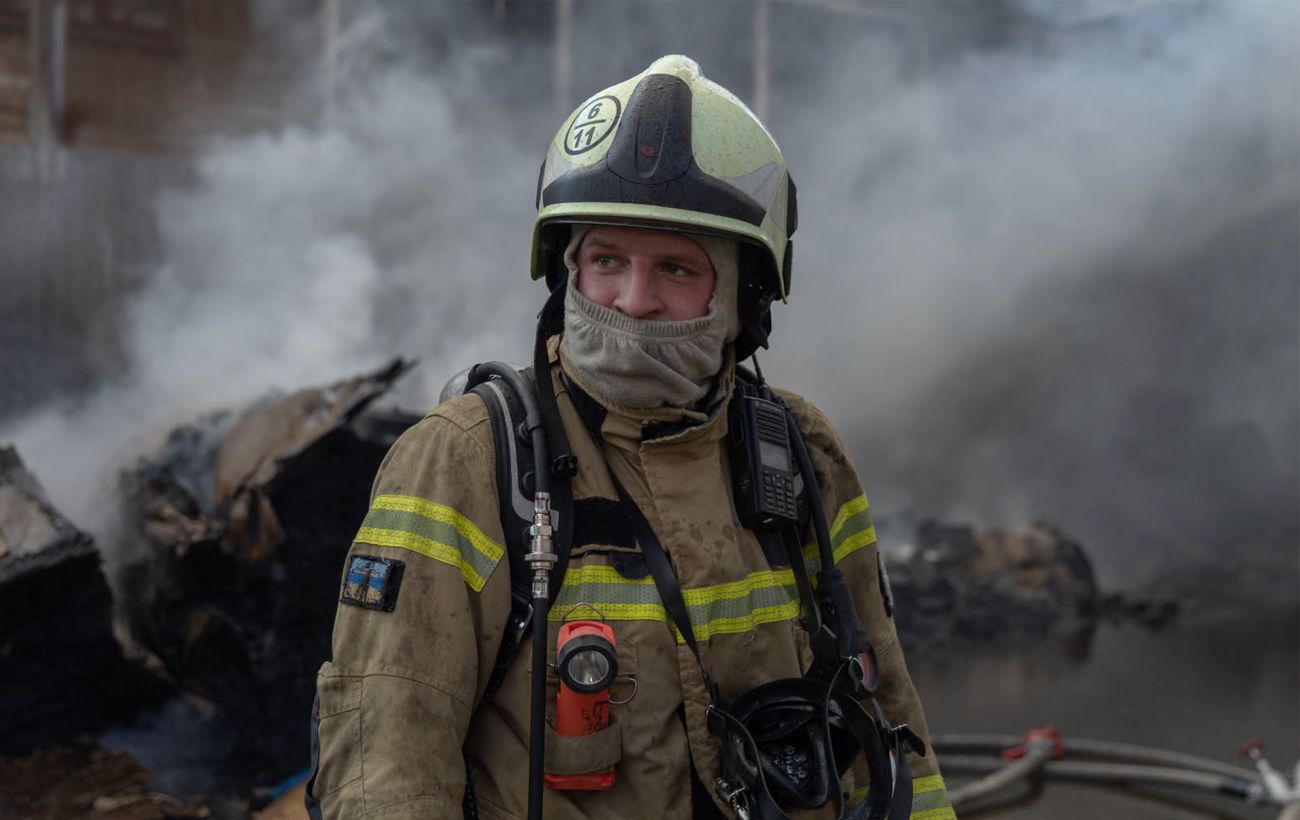
Russian Forces Attack Naftogaz Facility and Gas Stations: Casualties Reported
Energy and fuel infrastructure in the Dnipropetrovsk and Zaporizhzhia regions came under Russian attack, resulting in injuries among gas sector workers.
 🏙️City
Government Announces Digital Platform to Report Essential Service Disruptions
The Prime Minister announced the creation of a new digital monitoring system for heating, water, and power supply issues, alongside involving military personnel in recove…
 💼Economy
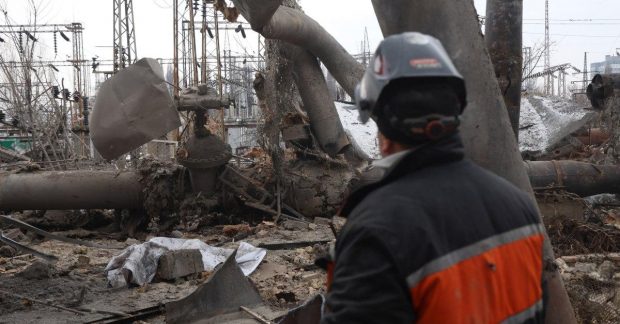
Military specialists may be involved in repairing damaged energy facilities
The government is considering deploying military engineers and electricians to help restore critical energy infrastructure and speed up repairs.
 🚨Events
British Conservatives and Populists Distance Themselves from Trump Over Putin Post
Leading UK political forces have publicly distanced themselves from the US president following his social media post about the Russian leader.
 🛡️Security
Russian Corvette 'Merkuriy' Destroyed in Libyan Port While Escorting Military Convoy
Satellite imagery and industry sources confirm an explosion and partial sinking of the Russian Navy missile corvette Merkuriy in the port of Benghazi.
 🚌Transport
At what distance do cameras and police devices record car speed: expert explanation
Experts and the patrol police have explained the distance at which stationary speed enforcement systems and portable TruCAM laser devices can record vehicle speeding.