New Russian Frontline Tactics: OSINT Analysts Report 'Passive-Aggressive Infiltration'
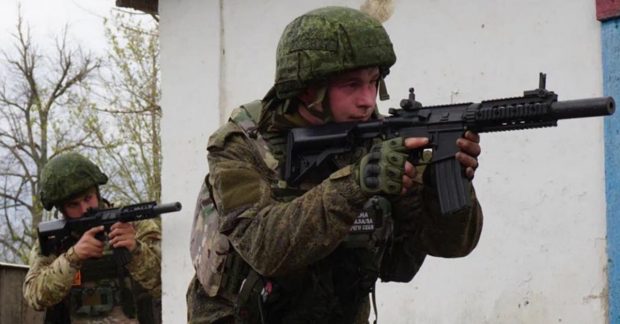
Russian occupation forces have shifted their battlefield tactics, abandoning large-scale mechanized assaults in favor of small infantry group movements.
 🛡️Security
Photo: UNIAN
Key points
- Abandonment of mass assaults for small-group infiltration
- Creation of deep gray zones without actual territorial control
- Drones playing a pivotal role in countering hidden infantry groups
- Discrepancies between Russian official maps and reality
The Russian military command has significantly altered its offensive strategy on the frontline, adopting a method described as 'passive-aggressive infiltration.' According to OSINT analysts, large-scale mechanized assaults have largely become a thing of the past, replaced by the dispersed movement of small infantry units. The primary objective behind these maneuvers is not necessarily holding territory, but rather creating deep 'gray zones' and provoking Ukrainian forces into counterattacks.
Mechanics of the Invaders' New Strategy
Based on insights shared on platform X by analyst Monstas, these tactical shifts began during the summer campaign. Russian forces have reportedly sought to artificially boost their reporting metrics, claiming territorial gains several times larger than those recorded by independent monitors such as DeepState. The core of this tactic involves small groups of occupiers attempting to slip as deep as possible behind Ukrainian positions while avoiding direct fire contact and trying to entrench themselves.
This approach is heavily driven by the widespread use of drones, which has made traditional assaults dangerously costly for both sides. The Russian strategy relies on provoking Ukrainian troops into eliminating these infiltrators so they can be targeted by hovering UAVs. While highlighting a disregard for human life, experts question the long-term effectiveness of this approach, noting it merely creates an illusion of territorial control.
Source UNIAN — unian.ua/war/viyna-v-ukrajini-na-fronti-rosiya-viprobovuye-pasivno-… ↗
Read next
 🏙️City
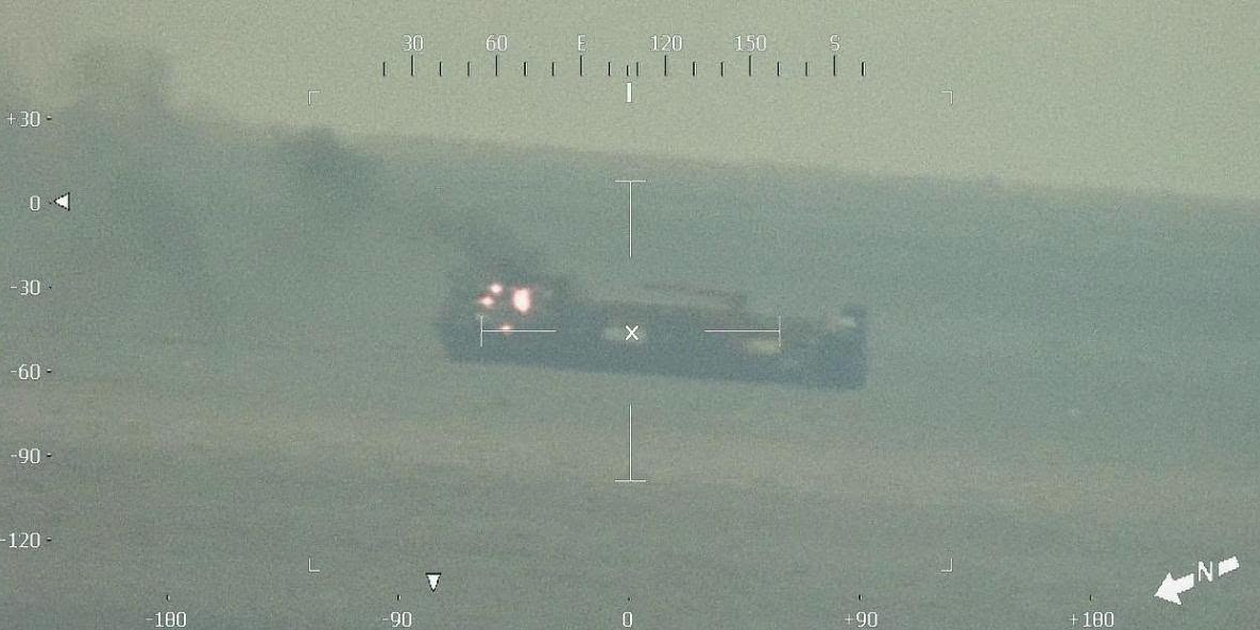
Drone Strikes Russian Vessel Sparta II in the Gulf of Finland: What We Know
Finnish defense forces reported a drone attack on the Russian cargo vessel Sparta II in international waters within the Gulf of Finland.
 💼Economy
Manchester City's Winning Streak Ends as Fulham Secures Draw
Manchester City failed to beat Fulham in a home Premier League fixture, extending their winless run to four matches.
 🏙️City
How to Properly Feed Squirrels in Sheptytskyi Parks This Winter
As temperatures drop, residents of Sheptytskyi often feed squirrels in local parks, but it is essential to provide the right food to ensure their health.
 🧠AI Analysis
Demographic Forecast to 2030: Population Projections for Ukraine's Controlled Territories
Leading demographers have released new population projections for Ukraine in 2030, predicting further contraction and an aging nation due to the consequences of the war.
 🚨Events
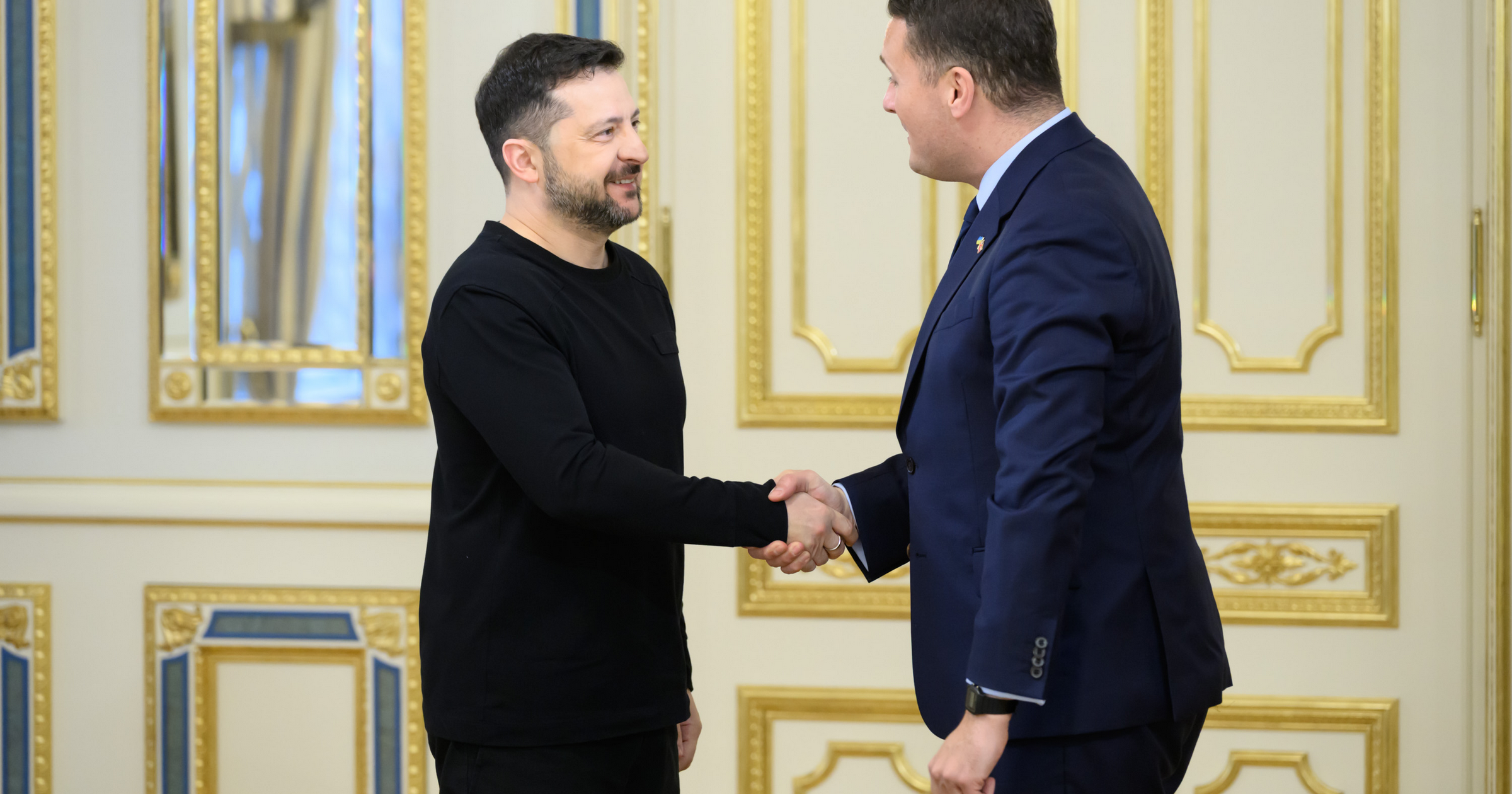
UK Defense Secretary Discusses Air Defense Strengthening with Zelenskyy in Kyiv
The British defense chief visited the Ukrainian capital to discuss military assistance, protection of critical infrastructure, and long-term defense cooperation.
 🇺🇦Ukraine
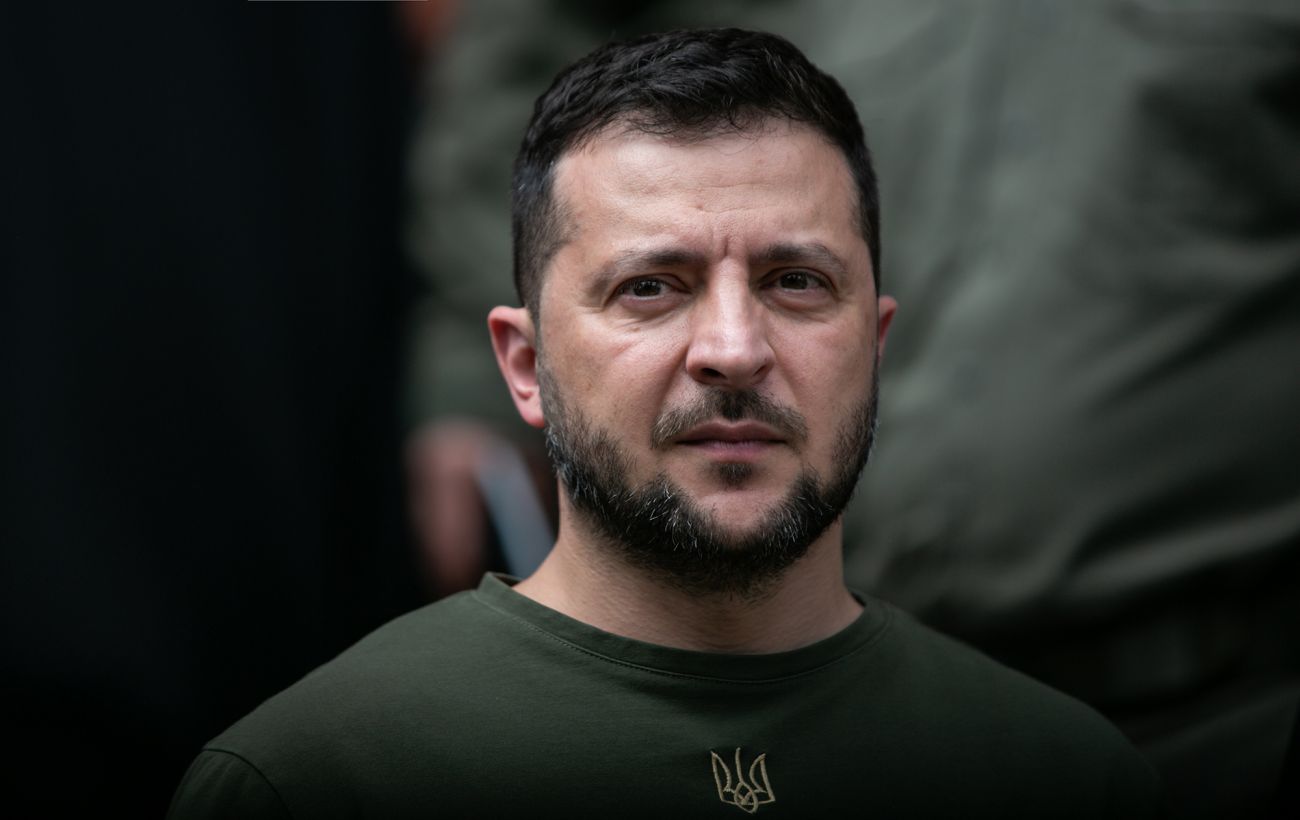
Presidential Office considers six candidates for Ukraine's Ambassador to the US
Volodymyr Zelenskyy announced that six candidates are being considered for the ambassadorial role in Washington. A final decision will follow a review of the Foreign Mini…