Construction of Energy Protection Shelters Delayed: Key Reasons Detailed
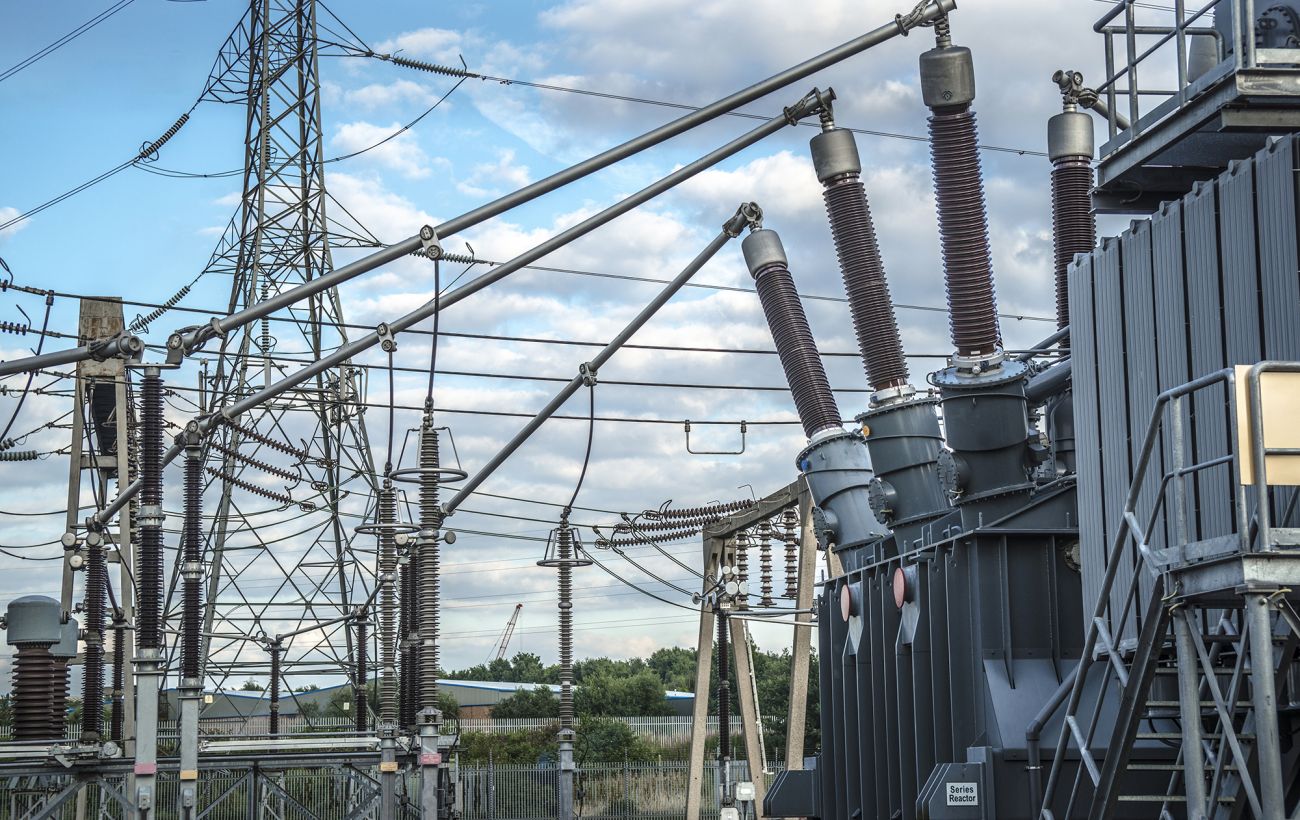
The buildout of protective structures at power substations faces funding shortfalls, project scale-ups, and constant air raid alerts. Businessman Vladyslav Sokolov explained the core delays.
 🧠AI Analysis
Photo: RBC-Ukraine
Key points
- Funding covered only 800 million UAH of the required 2.4 billion UAH budget.
- Metal usage per facility was increased from 180 to 600 tons following military recommendations.
- Around 17 energy protection shelters are currently near completion.
The construction of protective shelters for energy infrastructure facilities faces severe hurdles, with state underfunding, late site transfers, and persistent air raid alerts cited as the primary causes. Businessman Vladyslav Sokolov, whose company supplies rolled metal for shelter construction in Kyiv Oblast, detailed the current status of the projects.
According to Sokolov, the main obstacle is a lack of funds. State expertise estimated the total cost of the projects at nearly 2.4 billion UAH, yet contractors received only 800 million UAH. As a result, companies have been forced to fund significant portions of the construction using their own capital and bank loans.
Revised Technical Standards and Workforce Shortages
The project timelines were also heavily impacted by revised technical requirements from the General Staff. Initial designs called for 180 tons of metal per structure. However, to withstand strikes from ballistic missiles and heavy kamikaze drones, the metal requirement was increased to 600 tons per site, raising total demand across 26 substations to 16,000 tons.
The shortage of labor due to the mobilization of workers directly from construction sites created further disruption. Promises by government officials to grant critical infrastructure status to contracting firms were not fully realized.
Impact of Air Raids and Current Progress
Safety protocols during air raid sirens have significantly slowed progress. Military orders requiring workers to evacuate sites during alerts often reduced actual working time to just one or two hours per day on certain high-risk sites, while equipment rentals and labor costs remained payable in full.
Despite these combined challenges, approximately 17 protective structures are currently in the final stages of completion, including sites in Hostomel, Boryspil, and Obukhiv.
Source RBC-Ukraine — rbc.ua/ukr/news/stalo-vidomo-chomu-zahist-energoob-ektiv-1795430985… ↗
Read next
 🛡️Security
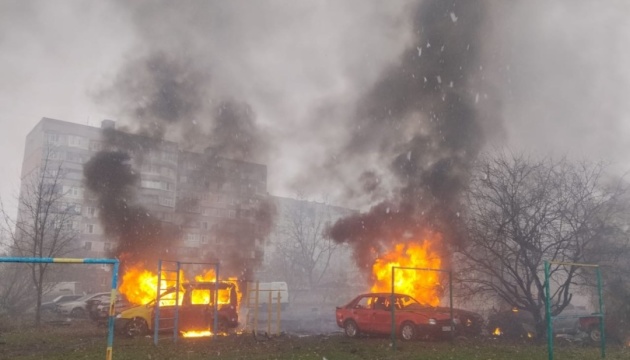
Massive Strike on Lozova Injures 12, Damages Housing Infrastructure
A Russian attack on Lozova in the Kharkiv region left 12 people injured and damaged multiple residential buildings and utilities.
 ⚽Sport
Spanish Tennis Star Carlos Alcaraz Sets Record Prize Money at ATP Finals 2026
Carlos Alcaraz won the ATP Finals in Turin undefeated, earning a record-breaking $5.17 million in prize money in men's tennis history.
 💡Tech
Ukrainian Polar Explorers Showcase Stunning Starlit Sky Above Akademik Vernadsky Station
Researchers at the Antarctic station have published photographs of the Milky Way as seen from the Southern Hemisphere, offering a perspective starkly different from the n…
 🎓Education
US Congress Elections: What Democratic Victory Means for Ukraine Support
The shift in Washington's power balance opens new avenues for congressional oversight, while aid to Ukraine still relies on complex bipartisan compromises.
 🎓Education
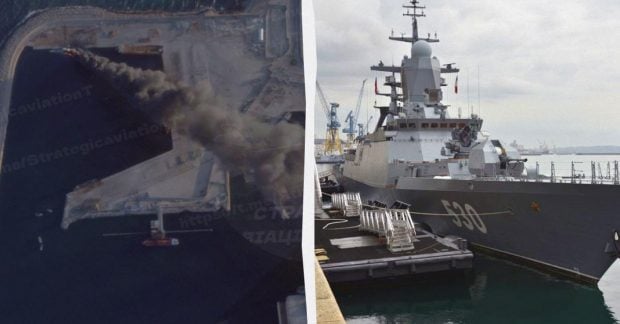
Destruction of Russian Corvette 'Merkuriy' Near Libya Strikes at Moscow's African Logistics
Ukrainian Defense Forces sank the newest Russian corvette 'Merkuriy' and a Ka-27 helicopter near Libya, severely disrupting the aggressor's logistics.
 🚌Transport
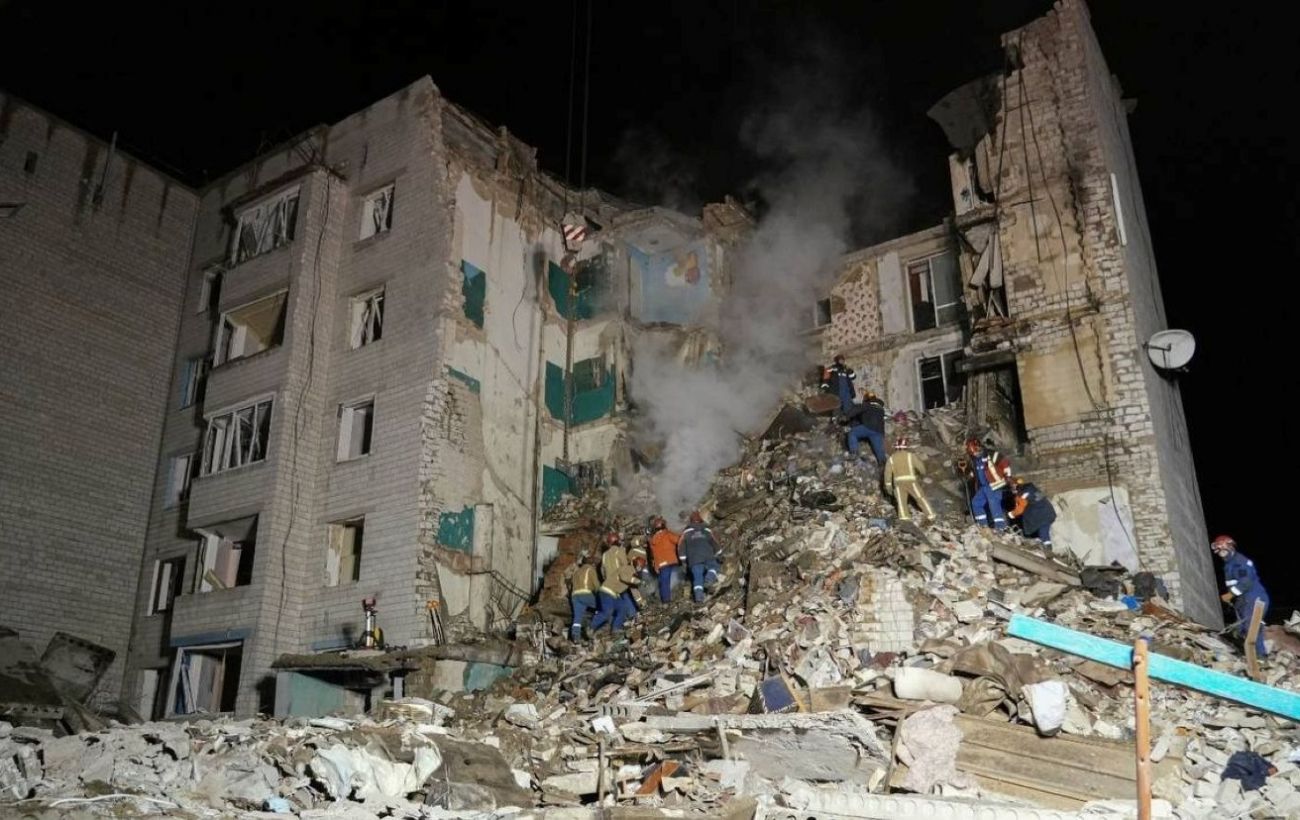
Russian Strike on Dymer in Kyiv Region Kills 11 People
A Russian drone attack on a residential building in Dymer has resulted in 11 deaths, with rescue operations hampered by continuous threats of repeated strikes.