New species of flying frog with unique jelly-nest reproduction discovered in Indonesia
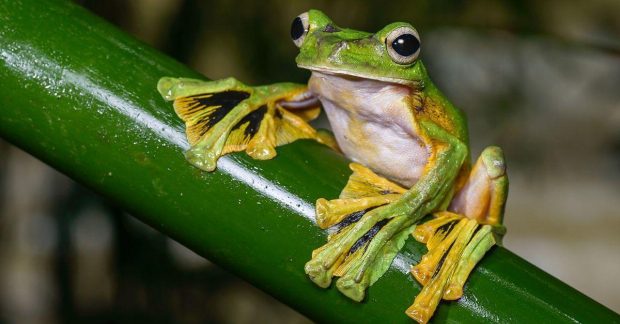
Scientists found a new species of bright green flying frog in Indonesia that uses a gelatinous matrix instead of moss to protect its eggs.
 🧠AI Analysis
Photo: UNIAN
Key points
- New flying frog species Rhacophorus kurniatiae found in Indonesia
- Amphibians use a gelatinous matrix instead of moss nests for eggs
- Discovery made in the Mekongga Mountains on Sulawesi island
- Findings published in the scientific journal Zootaxa
In the remote tropical forests of Indonesia's Sulawesi island, researchers have discovered a previously unknown species of bright green flying frog that has captured scientific attention due to its unique behaviors and reproductive strategy. The discovery stems from field expeditions conducted between 2009 and 2013 in the rugged Mekongga Mountains, where scientists surveyed local flora and fauna. The official announcement was made by the University of California, Davis on November 17, with detailed findings published in the scientific journal Zootaxa.
Distinctive traits and unusual reproduction
The newly identified amphibian has been named Rhacophorus kurniatiae. Researchers encountered a massive population of these creatures near a small mountain lake, Danau Coca-Cola, situated at an elevation of 1,860 meters. Scientists noted that the pond was literally teeming with the green frogs, creating a rare and impressive sight in the wild. Belonging to the group of Asian flying frogs, these animals utilize large webbed feet to glide seamlessly between forest trees.
To confirm the discovery of a new species, researchers analyzed the animals' DNA, physical characteristics, and vocalizations. The tests revealed distinct traits, including a pointed snout and unique calls. However, the most striking feature is their reproductive method: while related species typically construct moss nests to keep eggs moist, Rhacophorus kurniatiae deposit eggs within a gelatinous matrix placed on vegetation hanging over water bodies, bypassing the need for moss structures entirely.
Source UNIAN — unian.ua/curiosities/rhacophorus-kurniatiae-v-indoneziji-znayshli-n… ↗
Read next
 🛡️Security
Massive Strike on Lozova Injures 12, Damages Housing Infrastructure
A Russian attack on Lozova in the Kharkiv region left 12 people injured and damaged multiple residential buildings and utilities.
 ⚽Sport
Spanish Tennis Star Carlos Alcaraz Sets Record Prize Money at ATP Finals 2026
Carlos Alcaraz won the ATP Finals in Turin undefeated, earning a record-breaking $5.17 million in prize money in men's tennis history.
 💡Tech
Ukrainian Polar Explorers Showcase Stunning Starlit Sky Above Akademik Vernadsky Station
Researchers at the Antarctic station have published photographs of the Milky Way as seen from the Southern Hemisphere, offering a perspective starkly different from the n…
 🎓Education
US Congress Elections: What Democratic Victory Means for Ukraine Support
The shift in Washington's power balance opens new avenues for congressional oversight, while aid to Ukraine still relies on complex bipartisan compromises.
 🎓Education
Destruction of Russian Corvette 'Merkuriy' Near Libya Strikes at Moscow's African Logistics
Ukrainian Defense Forces sank the newest Russian corvette 'Merkuriy' and a Ka-27 helicopter near Libya, severely disrupting the aggressor's logistics.
 🚌Transport
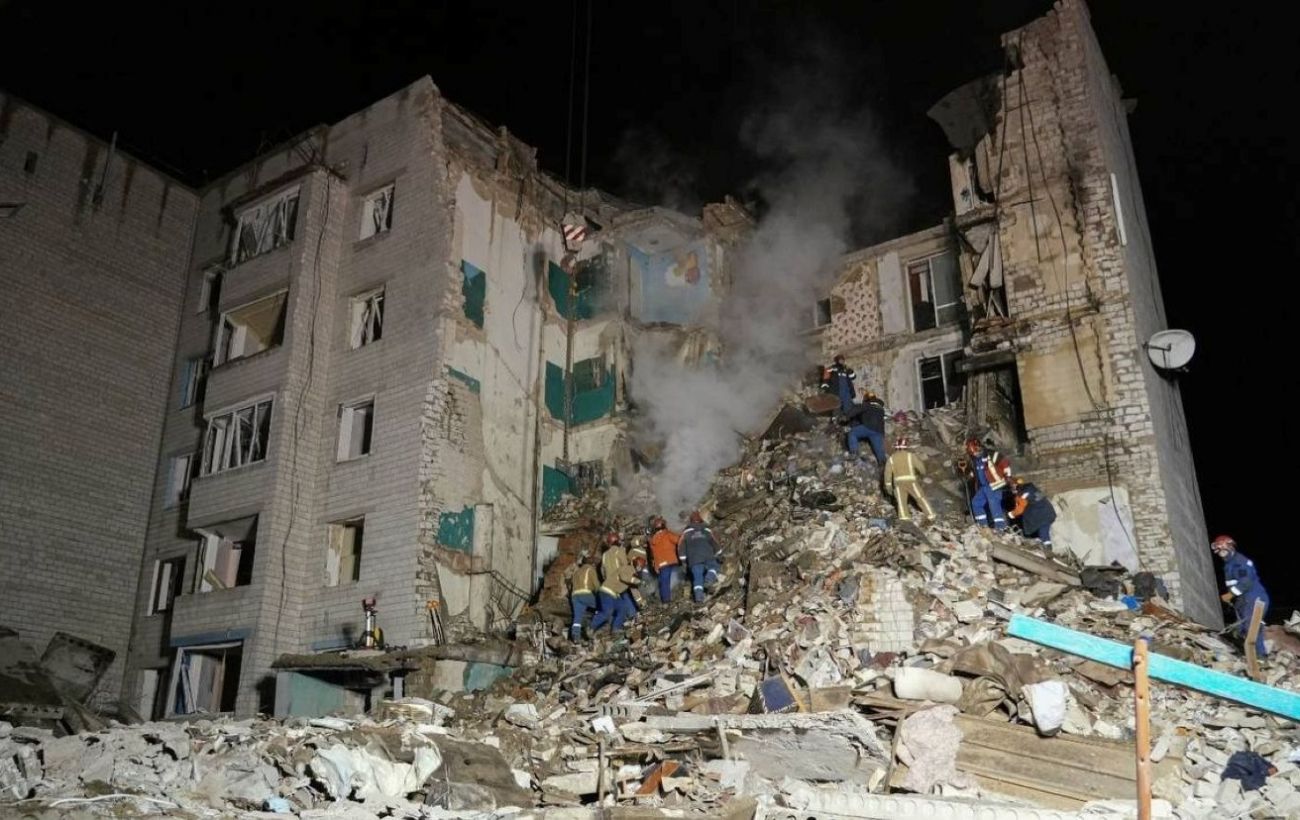
Russian Strike on Dymer in Kyiv Region Kills 11 People
A Russian drone attack on a residential building in Dymer has resulted in 11 deaths, with rescue operations hampered by continuous threats of repeated strikes.